

News Details
21
Nov
Why Car Wash Shops Are Switching to Soft Film Lighting (And Why It Matters More Than You Think)
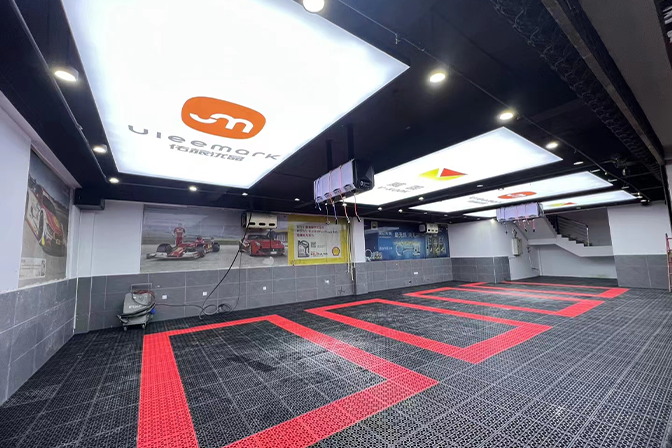
Walk into any modern car wash facility in Europe or North America, and you'll notice something different about the best-performing shops: they're using lighting systems you've probably never heard of. Soft film lighting isn't just another LED panel. It's a completely different approach to workshop illumination—one that's transforming how professional detailing operations manage lighting, branding, and customer experience simultaneously. If you're still relying on traditional ceiling fixtures or basic LED panels, you're missing out on a technology that's changing the game for forward-thinking shop owners.
The Problem With Standard Workshop Lighting Traditional workshop lighting solves one problem: visibility. You install lights on the ceiling so your technicians can see what they're working on. That's it. But modern car wash operations need more than just visibility. They need consistent, reliable, high-quality lighting that supports precision detailing work. They need branding that reinforces their professional image. And increasingly, they're realizing that their workshop lighting can accomplish both simultaneously. Standard LED panels fail to deliver on all these fronts. They're bright, yes. But they're inflexible. They don't integrate with your shop's branding strategy. They don't create the ambient atmosphere that modern customers expect. And they often require complex installation with expensive ceiling modifications. What Makes Soft Film Lighting Different Soft film lighting systems represent an engineering approach that most shop owners have never encountered. Here's why they're becoming the standard in premium detailing facilities. First, there's flexibility in power options. Professional soft film systems offer two distinct configurations: AC220V for high-intensity work environments, and 12-24V for specialized applications. Understanding when to use each is critical. The AC220V configuration delivers high-brightness output specifically engineered for environments with demanding lighting requirements—precisely what car wash and maintenance workstations demand. This is your precision lighting, designed to be installed on ceiling structures where customers won't interact with it directly. This is your primary work light, handling the serious illumination needs of ceramic coating application, paint correction, and detail work. The 12-24V configuration serves a completely different purpose. This is your ambient and branding lighting. It's designed for wall installation, perfect for creating advertising light boxes that feature your shop's logo or promotional materials. The lower voltage makes installation simpler and safer, while the aesthetic flexibility lets you control your shop's visual identity. You're not just lighting your workspace—you're creating an impression. The Installation Reality That Most Shops Overlook Here's where many shop owners stumble: they assume soft film lighting requires complex, expensive installation similar to traditional ceiling fixtures. It doesn't. Professional soft film systems ship with aluminum alloy frames and LED light bars packaged separately. This isn't a limitation—it's a feature. Separate packaging means easier transportation, lower shipping costs, and simplified installation. When your system arrives, the frame and light bars require assembly before installation, but manufacturers provide detailed installation videos that walk you through the process step-by-step. This modular design also means you're not locked into fixed configurations. As your business evolves and your lighting needs change, you can adjust or expand your system without major renovations. Material Selection: A Decision That Affects Durability and Cost One aspect of soft film lighting that catches most shop owners by surprise is the backing panel material selection. This isn't a minor detail—it directly impacts your system's durability, maintenance requirements, and long-term cost. Three primary materials are available for backing panels: The first option is 5mm white PVC board. Lightweight, waterproof, moisture-resistant, and affordable. For most car wash environments, this delivers excellent value. The waterproof properties make it ideal for facilities where splashing and humidity are constant factors. The second option is 5mm high-density board manufactured from compressed wood chips. Heavier than PVC, but also more affordable. The trade-off: it's not waterproof, making it less suitable for humid car wash environments where water exposure is inevitable. Most shops avoid this option in facilities with direct water contact. The third option is 5mm white aluminum alloy board. Lightweight like PVC, fully waterproof and moisture-resistant like quality alternatives, but with significantly higher material costs. For shops requiring premium durability and aesthetic finish, this represents the gold standard. Most professional installations use the first or third option—PVC for budget-conscious facilities prioritizing function, or aluminum alloy for premium operations emphasizing durability and appearance. International Certifications: Why They Matter More Than You Realize If you're sourcing lighting from established manufacturers, you've probably seen certification acronyms—CE, RoHS, WEEE—without fully understanding their significance. These certifications aren't bureaucratic formalities. They're your assurance that the product meets rigorous international standards for safety, environmental responsibility, and performance consistency. For soft film lighting systems, CE certification confirms compliance with European safety and electromagnetic compatibility standards. RoHS certification guarantees that hazardous substances are controlled or eliminated. WEEE certification addresses proper end-of-life disposal and environmental responsibility. When you're investing in professional lighting infrastructure, working with manufacturers who hold these certifications means you're protected against safety risks, environmental liability, and performance inconsistency. Dual Voltage: The Feature That Makes Global Operations Practical One detail that separates professional soft film lighting from budget alternatives: dual voltage support. Professional systems operate at both 110V and 220V without requiring conversion equipment or rewiring. This matters immensely if you're operating facilities across different markets. North American operations running on 110V, European locations using 220V, or facilities in markets using different electrical standards—your lighting system adapts. No expensive electrical modifications. No compatibility concerns. Your system works reliably across electrical infrastructure variations that would require equipment replacement with less flexible alternatives. Scaling Your Lighting Strategy A professional car wash operation might require multiple soft film lighting systems. An 8-set configuration of 2.4m x 4.8m units at 900W represents substantial illumination capacity for comprehensive shop coverage. When scaling lighting infrastructure, the modular design of professional soft film systems becomes critical. You're not making one massive investment in a monolithic system. You're building lighting capacity incrementally, adapting to your shop's evolution and expansion needs. The Bottom Line Soft film lighting represents the convergence of three critical elements: functional precision lighting for detailed work, aesthetic branding capability for customer experience, and practical flexibility for real-world installation. If you're still operating with traditional workshop fixtures, you're accepting limitations that modern detailing operations have already moved beyond. The shops winning in today's market aren't just delivering quality work. They're creating professional environments that reflect that quality—and soft film lighting is increasingly central to that strategy. Your workshop lighting isn't just functional infrastructure. It's part of your brand identity and your operational capability. Make sure it reflects both.
2 Comments
Kevin Martin
Sun is a company that strives for the highest standards in terms of product quality and service.
Sarah Albert
A very good supplier. We have had a pleasant cooperation and can solve all the problems I need.